

Understanding Pool Costs
One of the first questions homeowners ask when planning a pool is, "How much does it cost?"
The honest answer is that every pool is different. While it's tempting to compare prices online, the cost of building a pool depends on several factors that aren't always visible in a photo or floor plan. Understanding these factors will help you plan your project more confidently and understand why one pool may cost significantly more than another.
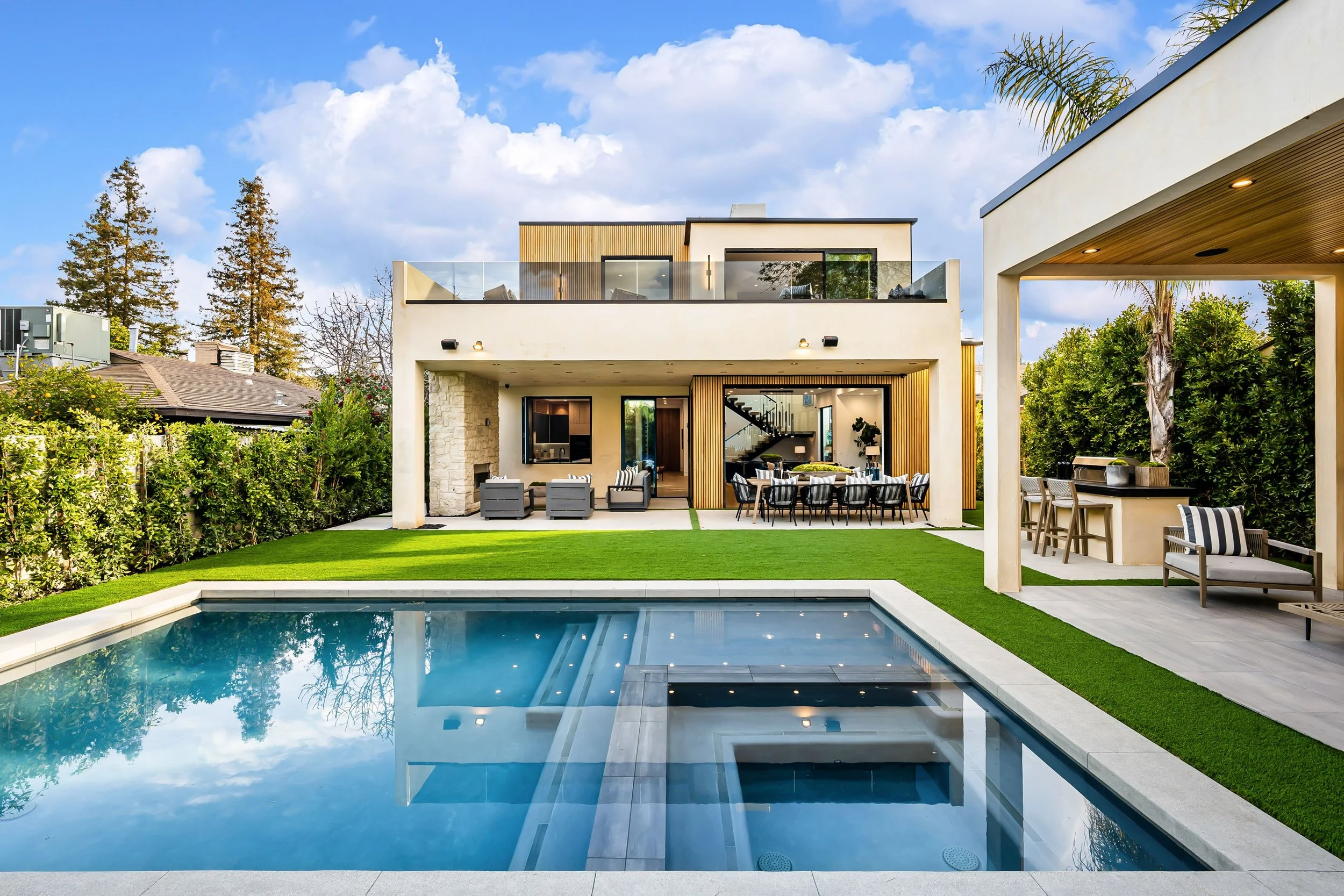
Pool Size
Size is one of the biggest factors affecting cost. A larger pool requires more excavation, steel, concrete, plumbing, and interior finish materials. It also takes more time and labor to construct.
Finding the right size isn't about building the biggest pool, it's about designing one that fits your property and the way you'll use it.
Pool Design
The shape and complexity of the pool also play an important role. A simple rectangular pool is generally more straightforward to build than a freeform design with multiple elevations, curves, or custom features.
Features like Baja shelves, tanning ledges, benches, and integrated spas also add complexity to the construction process.
Property Conditions
Every property presents its own challenges. Things like limited access, steep slopes, nearby structures, or overhead utilities can affect how equipment reaches the site and how construction is performed. These site conditions are often one of the biggest reasons similar pools can have very different costs.
Hillside Construction
Building on a hillside is very different from building on a flat lot. Depending on the site's conditions, additional engineering, caissons, retaining walls, drainage systems, or other specialized construction methods may be required to ensure the pool is built safely and performs properly over time. These structural elements help provide stability and long-term performance, making hillside pools more complex than standard installations.
Soil Conditions
Not all soil is the same, and what's beneath the surface can have a significant impact on construction.
Some properties have stable soil that is relatively straightforward to excavate, while others may contain bedrock or extremely hard ground that requires heavy excavation equipment and additional time to remove. In some cases, soil conditions may also require structural engineering recommendations to ensure the pool is properly supported.
Because these conditions can't always be seen from the surface, a site evaluation and when necessary, a soil report helps determine the best construction approach before work begins.
Pool Features
The features you choose have a direct impact on the overall project. Examples include:
Spa
Baja shelf
Infinity edge
Zero-edge design
Waterfalls
Deck jets
Bubblers
Fire and water features
Automatic pool cover
Each feature adds its own level of design, engineering, and construction.
Interior Finish & Tile
The finish you choose affects both the appearance and feel of your pool. Options range from traditional plaster to premium pebble finishes, while tile selections vary widely in style, material, and installation requirements.
These choices are often made later in the design process but should still be considered when planning your budget.
Pool Equipment
Every pool relies on equipment that keeps the water clean, heated, and circulating efficiently. Your equipment package may include:
Automation
Variable-speed pumps
Heater or heat pump
Saltwater system
Cartridge filter
LED lighting
Smart controls
Selecting reliable equipment can improve efficiency, simplify maintenance, and enhance the overall ownership experience.
Permits & Engineering
Most new pools require architectural plans, structural engineering, permits, and inspections. Depending on the property and local requirements, additional reports or engineering may also be necessary before construction begins.
Every Pool Is Unique
No two pool projects are exactly the same. While online estimates can provide a general idea, the most accurate way to understand your project's cost is through a professional site evaluation and a design tailored to your property.
A well-designed pool isn't simply built to fit a budget, it's designed to fit your home, your lifestyle, and your long-term goals.
Builder's Tip
If you're comparing proposals, don't compare price alone. Compare the scope of work, equipment, materials, warranties, and what's included. A lower price doesn't always mean the same level of quality or value.